
What Land Clearing Actually Involves
Most property owners picture land clearing as one big job. In reality, it’s a sequence of decisions — and the first one is choosing the right method for your specific situation.
Before any equipment rolls onto your property, a professional crew will assess the terrain, identify protected trees or wetlands that can’t be touched, and mark boundaries. Skipping this step is one of the most common mistakes we see from property owners who try to DIY or hire the wrong contractor. In Florida, clearing the wrong vegetation — even accidentally — can trigger stop-work orders and fines from local municipalities or the Florida Department of Environmental Protection.
Did You Know: Florida has some of the most complex land clearing regulations in the country. Permits, protected species lists, and wetland setbacks vary by county — and what applies in one city may not apply in the next. Always confirm requirements before any clearing begins.
Once the site is assessed, crews typically work in this order: large tree removal first, followed by brush and undergrowth, then stump grinding or root removal, and finally grading and debris haul-off. The order matters. Removing big trees before clearing brush gives equipment operators clear sight lines and reduces the risk of hidden obstacles causing equipment damage or injury.
The Main Land Clearing Methods Explained
Understanding the different land clearing methods helps you ask better questions and get a more accurate quote. Each method suits a different property type and budget.
Mechanical Clearing
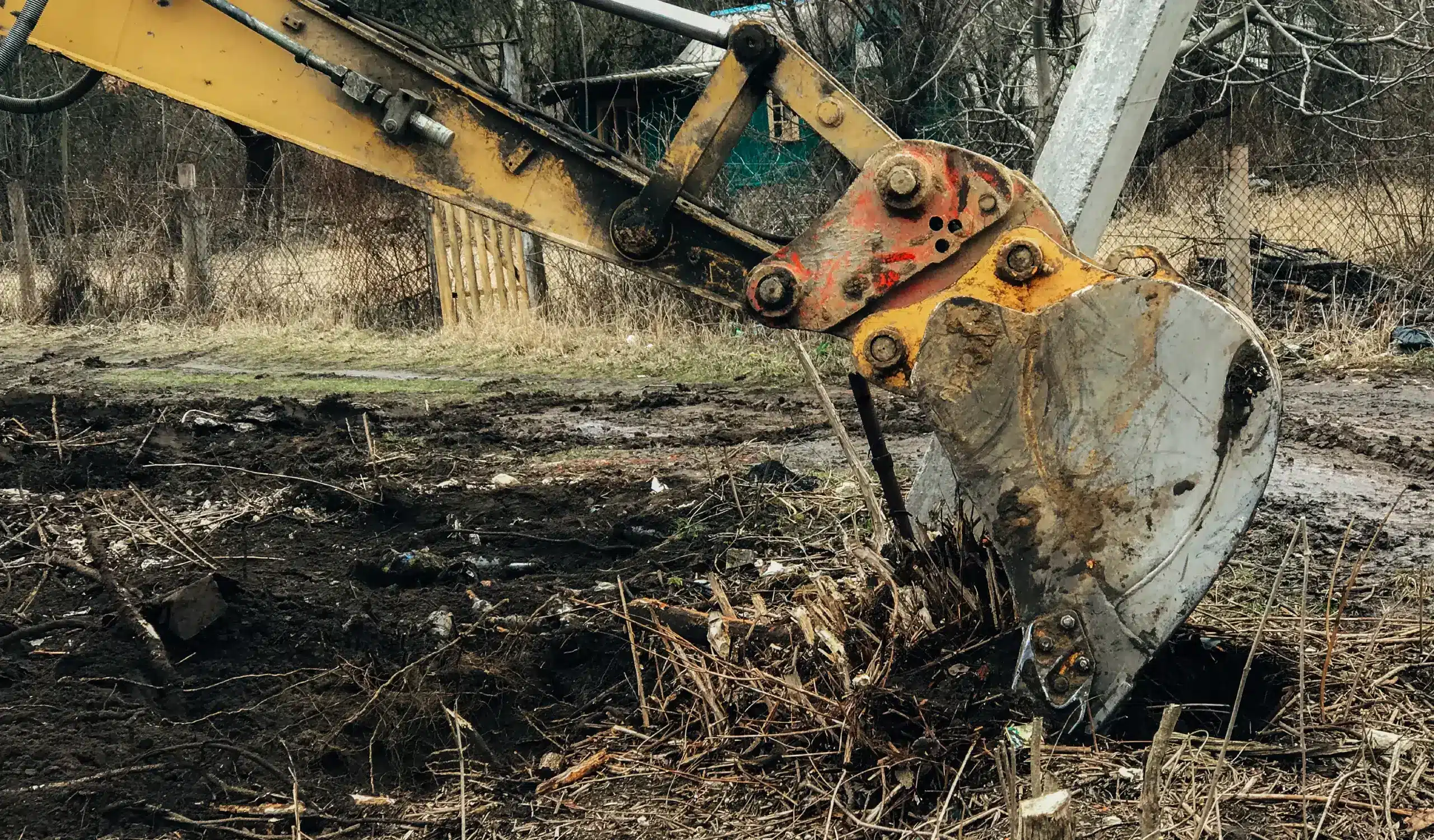
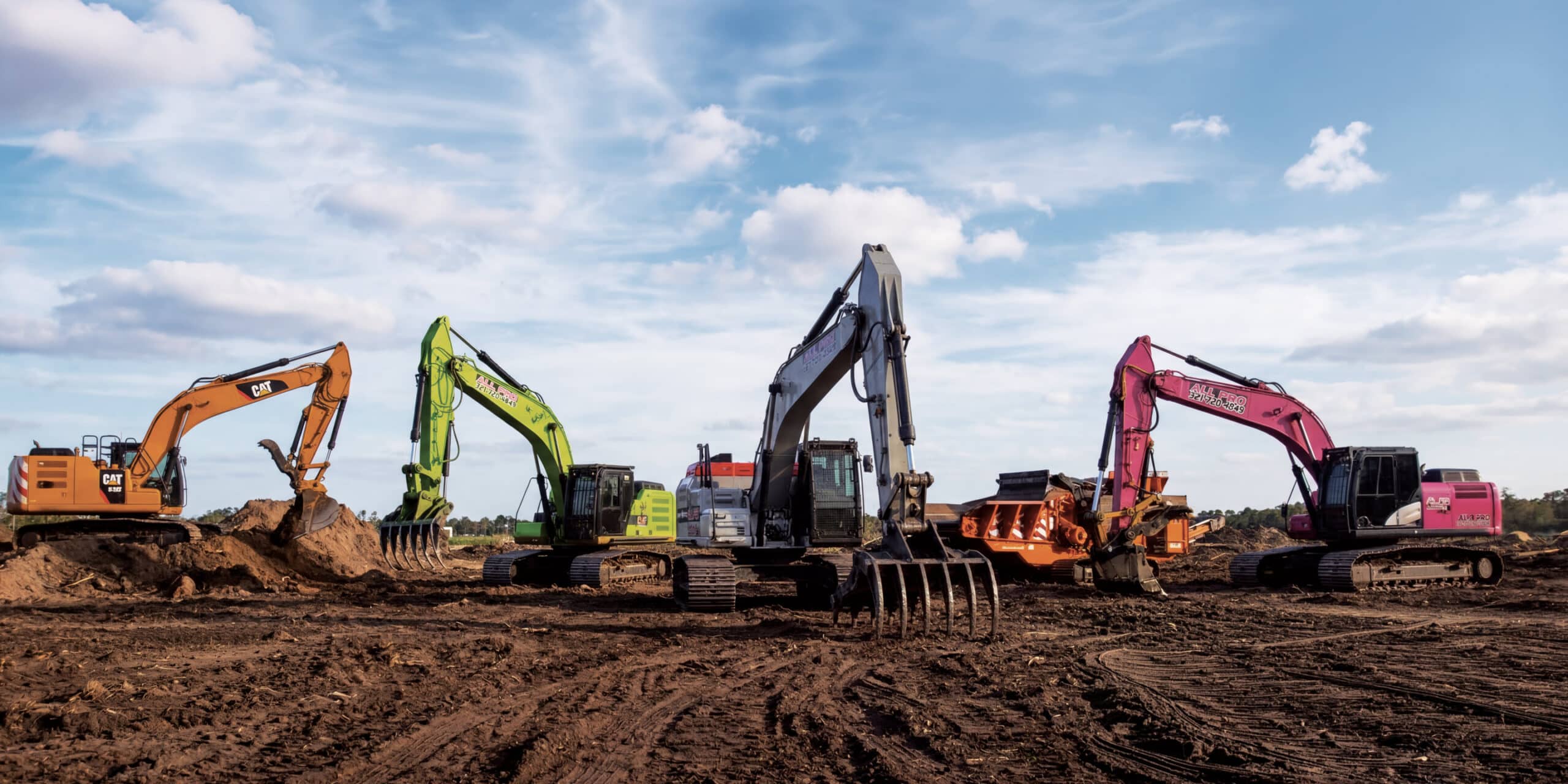
This is the most common method for larger properties and commercial projects. Bulldozers, excavators, and skid steers physically push, pull, and scrape vegetation off the land. It’s fast and effective for dense wooded areas, but it does disturb topsoil significantly. If you plan to build immediately after clearing, mechanical clearing is often the most efficient path.
Forestry Mulching
Forestry mulching uses a single machine — typically a tracked mulcher with a rotating drum head — to grind trees, brush, and stumps directly into mulch on the ground. The mulch layer left behind helps control erosion and can improve soil health over time. It’s one of the cleanest methods available because there’s no burning, no hauling, and no large debris piles.
At All Pro Land Clearing, we run Caterpillar 287D and 209D machines with Fecon heads — a combination that handles dense Florida undergrowth and invasive species with precision. A client in Palm Bay once described watching the machine work through a half-acre of Brazilian pepper in under two hours. That same work by hand would have taken days.
Pro Tip: Forestry mulching is especially well-suited for Florida properties with sandy soil. Because the machine doesn’t dig or scrape, it leaves the root structure intact — which helps prevent erosion while the land settles after clearing. According to the UF/IFAS Extension, organic mulch applied to cleared land helps suppress erosion, retain soil moisture, and improve soil structure over time — meaningful advantages on Florida’s sandy terrain.
Cut and Grind
This method combines chainsaw crews for tree felling with stump grinders for root removal. It’s slower than mechanical clearing but gives you more control over what stays and what goes. Many homeowners choose this approach when they want to keep specific trees or landscape features intact.
Controlled Burning
Controlled burns are sometimes used in rural or agricultural settings to clear large expanses of dry brush quickly. This method requires permits from the Florida Forest Service and must be done under specific weather conditions. It’s rarely used in residential or suburban land clearing today.
Pushover Method
Used on large-scale commercial or agricultural projects, this involves bulldozers literally pushing trees over — roots and all — and piling them for removal or burning. It’s aggressive and strips the topsoil completely, so it’s best reserved for properties where no topsoil preservation is needed.
How Much Does Land Clearing Cost?
Land clearing costs vary widely based on lot size, vegetation density, method used, and what’s done with the debris afterward. Here’s a general breakdown to help you budget:
| Lot Size | Estimated Cost Range (Florida) |
| Under ¼ acre | $1,500–$5,000 |
| ¼ to 1 acre | $2,000–$8,000 |
| 1 to 5 acres | $5,000–$25,000+ |
| 5+ acres | $1,500–$5,000 per acre |
These numbers reflect typical ranges across Florida’s Space Coast region. Heavily wooded lots with large hardwoods or dense palmetto can exceed these ranges significantly. Open lots with light scrub brush come in lower. The only accurate number is a free on-site assessment — quotes based on photos or acreage alone are almost always wrong, usually in the contractor’s favor.
Did You Know: Debris disposal is often a separate line item. If your contractor hauls debris off-site, expect to add $500–$2,000 or more per load depending on volume and distance to the disposal facility. Forestry mulching eliminates this cost entirely — everything ground up stays on your property as mulch.
Permits and Regulations in Florida
Florida’s clearing regulations are location-specific. What’s allowed in one county may require multiple permits in another.
In Palm Bay specifically, homeowners on single-family or two-family lots under one acre can remove trees without a permit. Once a lot exceeds one acre, a permit from the Planning Director is required — along with a site map identifying the trees slated for removal and a plan to preserve others. Commercial projects and construction clearing follow separate permit tracks entirely.
Across Brevard County and most of Florida, protected tree species including live oaks, sabal palms (the state tree), and slash pines are regulated on commercial and larger residential projects. Fines for removing protected trees without authorization can reach thousands of dollars per tree.
Clearing near wetlands adds another layer. Upland buffer requirements typically range from 25 to 50 feet from the wetland boundary, depending on the water body type and your county’s ordinance. Properties near tidally-influenced water bodies often face the stricter 50-foot standard. Confirm the exact requirements with Brevard County’s Natural Resources office and the Florida Department of Environmental Protection before any clearing begins near water.
If you’re clearing for construction, your general contractor’s building permit may cover the clearing — but confirm this before any work begins. When it’s not covered, a standalone clearing permit is usually straightforward to obtain.
Pro Tip: Pull your property records before calling contractors. Knowing your exact parcel boundaries, any recorded easements, and whether your land falls within a flood zone can cut your permit timeline in half.
How Long Does Land Clearing Take?
Timeline depends on lot size, method, and the time of year. Here’s a realistic guide:
A quarter-acre residential lot with moderate brush takes a single experienced crew one to three hours with the right equipment. A one-acre wooded lot typically runs a full day. Five acres of dense woodland with large trees can take two to four days.
Florida’s rainy season (June through September) can slow projects down if the ground becomes saturated. Wet conditions affect equipment access and can cause ruts that need repair. Spring and fall are generally the best windows for land clearing on the Space Coast.
What Happens to Debris After Clearing?
This question comes up on almost every project, and it has a bigger impact on your final cost than most people expect.
The four main options are: forestry mulching (debris ground into mulch in place), on-site burning (requires a permit from the Florida Forest Service and dry conditions), haul-off to a disposal facility (most common with mechanical clearing), or chipping and leaving on-site. Your choice affects both cost and timeline.
Did You Know: Some debris — especially large logs from oak or pine — has salvage value. A few contractors will reduce their quote if they can keep the timber. Always ask.
Choosing the Right Land Clearing Contractor
Not every contractor who owns a bulldozer understands Florida’s environmental regulations, protected species lists, or the difference between clearing for construction and clearing for agricultural use. Here’s what to ask before you hire:
Are you licensed and insured in Florida? Do you pull permits or does the homeowner? What happens if you encounter a protected tree or wetland? What’s your debris disposal plan and is it included in the price?
The answers to these questions will tell you more about a contractor’s professionalism than any review ever will. You can explore All Pro Land Clearing’s full service approach on the land clearing services page, or learn more about how forestry mulching and lot clearing fit into your property preparation plan.
Wrapping Up
Land clearing isn’t a one-size-fits-all job. The method you choose, the permits you need, and the timeline you can expect all depend on your specific property, goals, and location. Getting those details right from the start saves time, money, and headaches down the road.
Ready to see what your property needs? Contact All Pro Land Clearing at 321-541-4547 for a free on-site assessment. We serve Palm Bay and the surrounding Space Coast with honest pricing, licensed crews, and equipment built for Florida’s toughest terrain.
Frequently Asked Questions
What are the most common land clearing methods? The most common land clearing methods are mechanical clearing (bulldozers and excavators), forestry mulching, and cut-and-grind. The right method depends on your lot size, vegetation density, and what you plan to do with the land after clearing.
How much does land clearing cost per acre in Florida? Land clearing in Florida typically costs between $1,500 and $5,000 per acre for most properties, with heavily wooded or complex sites reaching significantly higher. Vegetation density, tree size, debris disposal method, and location all affect the final number.
Do I need a permit to clear land in Florida? It depends on your location, lot size, and project type. In Palm Bay, homeowners on single-family lots under one acre generally don’t need a tree removal permit, but lots over one acre, commercial projects, and clearing near wetlands all trigger permit requirements. Always confirm with your county before any clearing begins.
How long does it take to clear a one-acre lot? A one-acre lot with moderate tree and brush cover typically takes one full day with professional equipment. Heavily wooded lots or wet ground conditions can extend the timeline to two or more days.
What is the difference between land clearing and forestry mulching? Land clearing is a broad term for removing all vegetation from a property. Forestry mulching is a specific clearing method that grinds trees and brush into mulch on-site, eliminating debris haul-off and reducing soil disturbance. You can learn more about how the two approaches compare on our forestry grinding service page.